
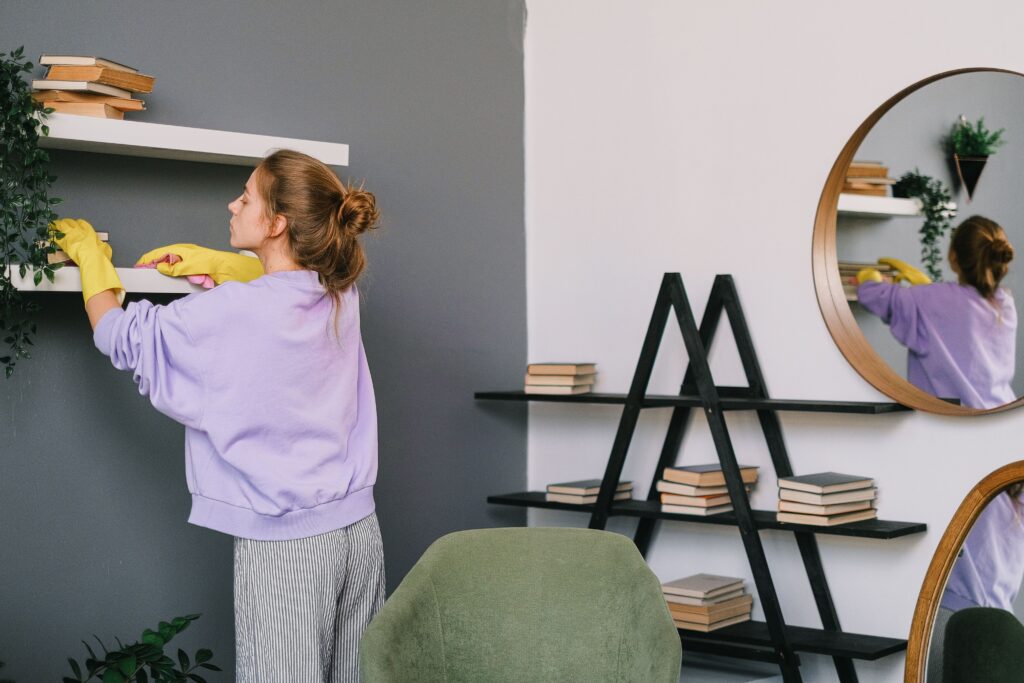
For busy parents juggling work, school schedules, and daily life, home tidiness can feel like a moving target that never stays finished. The tension is real: the more a household tries to keep up, the faster clutter returns, and the home stops feeling like a place to rest. Small daily home routines can shift that pattern by building an organized living space that supports stress reduction at home instead of feeding it. With steady habits, a relaxed home environment becomes realistic and repeatable.
Understanding How Tidiness Supports Wellbeing
Home hygiene is more than making things look neat. It is the day-to-day link between cleanliness and wellbeing, where clear surfaces and simple systems reduce mental strain and make cleaning easier to keep up with.
When piles build up, your brain treats them like unfinished work, which can raise stress and shorten patience. The connection is real: stress hormone cortisol can climb when clutter sticks around, while tidy spaces can feel calming and more manageable.
Think about walking into a bedroom with clothes on the floor and a crowded nightstand. Your body stays on alert, and the ability to relax gets harder, even if you are exhausted. That same calm becomes easier when paperwork has one simple path from “pile” to “file.”
Stop Paper Piles: Build a Searchable Digital Filing System
When your home feels calmer, it’s easier to spot the small clutter sources that quietly raise stress, like paper stacks. Reduce paper clutter by scanning and storing important documents digitally so countertops and drawers stay clear. Saving files as PDFs keeps everything in one consistent format that’s easy to open, share, and archive without loose pages. If you need to tidy scans into a clean, readable file, a free online tool lets you add, reorder, delete, and rotate PDF pages; click here to get started. Once paper is handled digitally, you’ll be ready to keep the rest of your space on track with a simple weekly rhythm.
Habits That Keep Your Home Calm All Week
Small, repeatable habits keep clutter from returning and make cleaning feel lighter. When you know exactly what to do daily and weekly, your home stays more relaxing with less effort and fewer “catch-up” weekends.
Two-Minute Reset Sweep
● What it is: Put away visible strays in one room before you sit down.
● How often: Daily
● Why it helps: Tiny resets prevent piles from becoming projects.
One-Touch Rule for Incoming Items
● What it is: Decide a home for mail, bags, and packages the first time.
● How often: Daily
● Why it helps: It stops clutter from landing on counters “for now.”
Weekly Surface Clear
● What it is: Clear one countertop, one table, and one floor corner fully.
● How often: Weekly
● Why it helps: Clear surfaces make rooms feel instantly more open.
Fast Closet Basket Drop
● What it is: Keep a donation bag and removing unnecessary items as you notice them.
● How often: Weekly
● Why it helps: It makes decluttering steady instead of overwhelming.
Set a “Care Block” for Chores
● What it is: Do weekly tasks like floors, dusting, and kitchen wipe-downs in one timed block.
● How often: Weekly
● Why it helps: A predictable routine helps prevent dirt buildup.
Common Tidiness Questions, Answered
Q: How do I keep clutter from coming back right after I tidy?
A: Focus on “landing spots” first: a tray for mail, a hook for bags, and a bin for packages. If an item doesn’t have a home, label a temporary bin and schedule a 10-minute decision time once a week. Consistency beats intensity, even if you only fix one hotspot.
Q: What if I’m only motivated when people are coming over?
A: You’re not alone, and you can use that to your advantage. 91% of Americans make a concerted effort to clean their homes before entertaining guests, so try a “guest-ready” checklist you can run anytime: clear the entry, kitchen counter, and bathroom sink.
Q: How much should I do on busy weeks so things don’t spiral?
A: Pick a minimum baseline: dishes, trash, and one 5-minute pickup. If that’s all you do, you’re still preventing odors, pests, and visual overwhelm. Save deeper cleaning for a calmer week.
Q: When should I hire professional cleaning services instead of trying harder?
A: Consider hiring help when your schedule is packed, you’re recovering from illness, or cleaning causes pain or stress. Start with a one-time deep clean, then maintain with lighter visits monthly or every two weeks. Ask what’s included, bring up any sensitivities, and get a written estimate.
Q: Can a home organizer help if I feel embarrassed about the mess?
A: Yes, organizers are used to real life, not perfect homes. Look for someone who offers judgment-free coaching, works in short sessions, and builds simple systems you can maintain. A quick phone consultation can tell you if their style feels supportive.
Building Calm, Organized Spaces With Simple Daily Tidiness Habits
A home can get messy fast, and it’s easy to feel stuck between wanting calm and having limited time and energy. The steady answer is a small, realistic approach: habit formation for cleanliness supported by consistent cleaning routines and an ongoing home tidiness commitment that doesn’t depend on perfect motivation. Over time, maintaining organized spaces gets easier, and the payoff is a more relaxed home life that feels welcoming at the end of the day. Start small, stay consistent, and let routines carry the calm.
Written by Sharon Wagner