
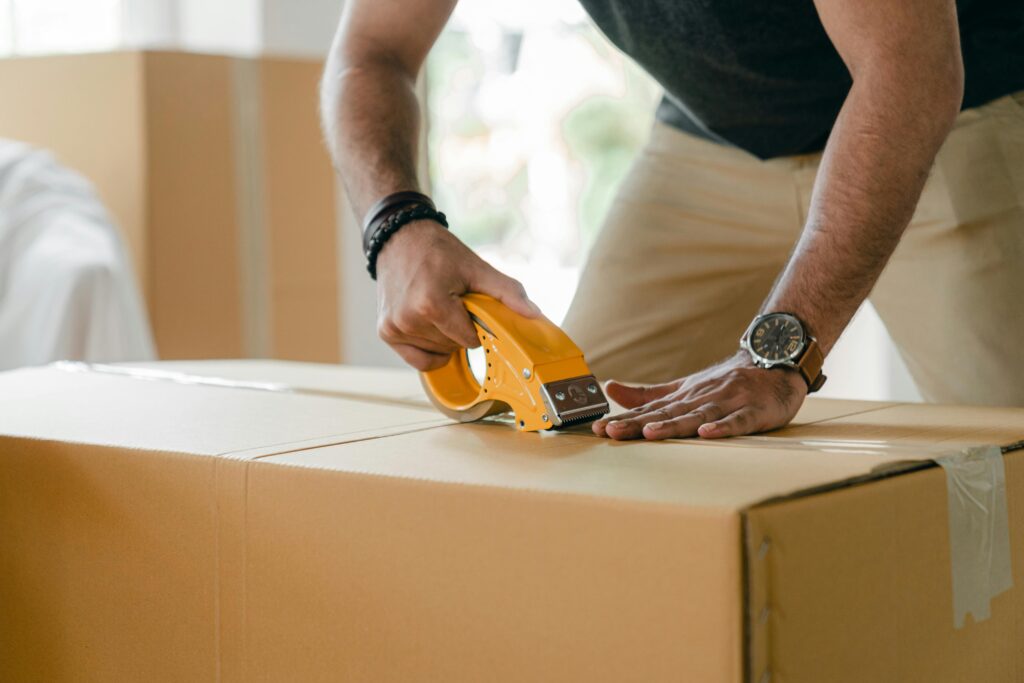
When life unravels in unexpected ways, a move can be more than a change of address — it can be an act of renewal. After divorce, creating a new home environment often serves as both sanctuary and springboard. The walls, colors, light, and layout become a canvas for re-centering, and the act of moving itself can signal a shift toward agency, calm, and possibility.
What This New Chapter Can Offer
- A move reclaims emotional and physical space that once felt confined or shared.
- Reorganizing your home creates structure when other parts of life feel uncertain.
- The process of rebuilding can restore a sense of confidence and self-definition.
- Stability doesn’t come from perfection — it grows from consistency and care.
The Quiet Power of Place
Where you live shapes how you feel. Post-divorce relocation can mark the beginning of a healthier routine, with a home tailored to your needs, not your memories. Whether you downsize to a cozy apartment or seek a house closer to family, the key is intentionality.
Ask yourself: What do I need from this next home — peace, connection, sunlight, or simplicity?
Getting Organized for Greater Calm
Organization isn’t decoration — it’s recovery. A clutter-free home signals safety to your mind and nervous system. Here’s how to begin rebuilding stability from the ground up:
- Start with the essentials. Unpack only what you use daily: bedding, kitchen basics, a few favorite clothes.
- Create one “complete” room. Make your bedroom or living area functional and comfortable first — one finished space gives you instant relief.
- Let go of duplicate or emotionally heavy items. If it belonged to your past life and doesn’t serve your future, release it.
- Label everything. Boxes, shelves, cords — give your brain visual cues to reduce decision fatigue.
- Build habits, not piles. Ten minutes of nightly tidying will calm the next morning’s chaos.
- Set up a ‘peace corner.’ A small spot with light, a plant, or a chair for reflection — a physical cue for stillness.
How Relocation Supports Recovery and Growth
| Dimension | Old Pattern | New Possibility |
| Space | Shared or static | Designed entirely for your comfort |
| Energy | Drained by reminders | Recharged by autonomy and simplicity |
| Routine | Reactive to others’ needs | Proactive and self-defined |
| Identity | Blurred by past roles | Rebuilt through small, daily choices |
| Outlook | Survival mode | Growth and exploration |
A Fresh Start Through Learning
Sometimes transformation happens not just at home but within yourself. Going back to school can be a powerful way to rebuild confidence, expand your social circle, and anchor your new routine in a fresh sense of purpose. Whether you’re looking to reenter the workforce or shift to a more meaningful career, education can become part of your healing framework. If you’re drawn to making a difference in the lives of others, here’s a good option — an online healthcare degree pathway that helps you gain the skills to support the wellbeing of individuals and families. Flexible programs make it possible to balance studies with full-time work, giving you structure while keeping momentum toward a stable, purposeful future.
Rebuilding Yourself Through Change
Relocation doesn’t erase the past — it reframes it. As you navigate unpacked boxes and emotions, you’re also learning how to live on your own terms. This is where growth takes root: in the choice to see new beginnings not as losses, but as lessons. Moving alone may feel daunting at first, but solitude creates room for expansion — reading again, reconnecting with hobbies, hosting friends, or finding joy in simplicity. Even redecorating can be symbolic: new colors, new energy, new stories.
FAQ: Common Questions About Relocating After Divorce
Q1: How soon should I move after divorce?
It depends on emotional readiness and logistics. Wait until you can make clear decisions rather than reactionary ones.
Q2: Should I buy or rent first?
Renting can offer breathing room while you adjust. Buying later allows you to choose from a place of stability, not urgency.
Q3: What if I feel lonely after moving?
That’s natural. Build small community rituals — join a class, talk to neighbors, or volunteer. A sense of belonging grows with time.
Q4: How do I make my new home feel like “mine”?
Add personal touches that reflect you now: favorite colors, art, scents, and spaces dedicated to peace or creativity.
A Useful Resource for Emotional Recovery
Healing takes more than a change of address. The National Alliance on Mental Illness (NAMI) offers free and confidential helplines, local support groups, and practical tools for emotional wellbeing. Visit to find resources that can help you rebuild both your inner and outer stability.
Small Wins That Build Big Stability
- Light a candle each morning while you plan your day.
- Set a weekly self-date — coffee, walk, bookstore.
- Keep one shelf empty as a symbol of “open space.”
- Say yes to something new every month.
- Invest in comfort: a good chair, soft lighting, healthy food.
Closing Thoughts
Relocating after divorce isn’t about starting from zero — it’s about redefining what “home” means now. Every box unpacked is a quiet act of courage. Every wall decorated is a statement of selfhood. When you design a space that supports your wellbeing, you’re not just moving forward — you’re coming home to yourself.
Written by Sharon Wagner